Source Rapier Loom Weft Sensor for Textile Machinery
Find and compare 30 rapier loom weft sensor options from verified suppliers. Evaluate specifications, pricing, and warranty terms to select the right component for your weaving machinery needs and ensure optimal performance in industrial textile applications; compare the available evidence and request quotations based on your requirements.
Key considerations
Products List
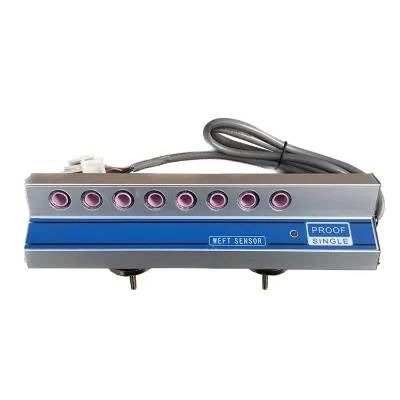
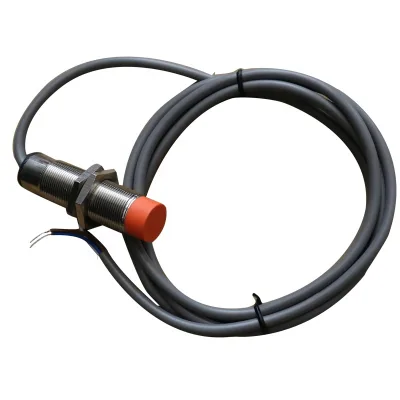
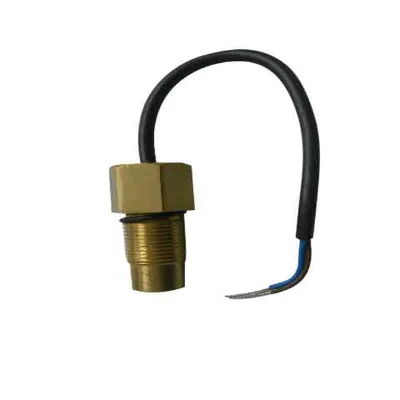


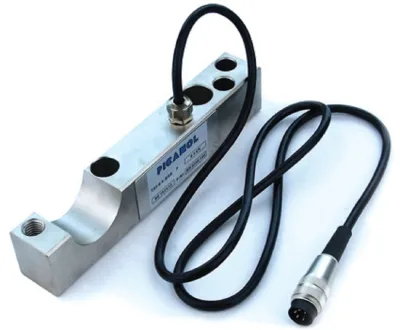
Comprehensive Sourcing Guide
Rapier Loom Weft Sensor Sourcing Guide
Procuring a rapier loom weft sensor requires distinguishing between generic detection units and specialized components designed for specific weaving machinery. The observed market data indicates a diverse range of products, including sensors explicitly labeled for "Weaving Machinery" and "Textile Loom" applications. Buyers must carefully align their inventory needs with the specific machine models, such as those requiring "Dobby Sensor C1C2" compatibility, to ensure operational continuity.
The supply landscape presents significant variation in minimum order quantities and delivery expectations, ranging from single-piece availability to bulk orders of twenty units. While some listings offer rapid delivery windows of three to five working days, others may have different logistical constraints. Understanding these commercial variances is essential for planning production schedules and managing inventory levels without disrupting the weaving process.
Product Scope and Observed Listing Signals
The product scope for rapier loom weft sensors encompasses various configurations, including weft feeders, switches, and sensors with distinct physical attributes like metal construction or specific color coding such as orange. Listings frequently highlight the "Somet 8 Hole Weft Sensor" and similar models, indicating that buyers should verify the exact hole count and mechanical interface before purchase. These components are critical for monitoring weft thread presence and preventing defects during high-speed weaving operations.
Observations of listing signals reveal inconsistencies in packaging and weight specifications, with single package sizes varying from compact 10x5x5 cm units to larger 50x50x30 cm cartons. Weight data also fluctuates between 0.2 kg and 2.0 kg depending on the specific model and packaging details. Buyers must scrutinize these physical parameters to ensure the sensor fits within their existing storage constraints and shipping logistics, as mismatched dimensions can lead to unexpected freight costs.
Technical Specifications to Verify
Technical verification begins with confirming the model number and compatibility with existing loom equipment, such as the "JLM079" or "JLS003-2" identifiers found in current listings. It is crucial to match the sensor's mechanical process, such as turnery or general mechanical processing, with the requirements of the specific weaving machine. Mismatched specifications can result in installation failures or inaccurate thread detection, leading to significant production downtime and material waste.
Buyers must also validate the electrical and functional specifications, including the sensor type and its integration with the loom's control system. While some products are described as "Non-Customized," others offer customization options, requiring a clear definition of interface requirements. Verifying the single gross weight and package dimensions ensures that the physical unit matches the technical data sheet, preventing discrepancies between the ordered item and the delivered component.
Compliance and Safety Documentation
Compliance verification is a critical step, with ISO9001:2008 appearing as a recurring certification in the available product data. Buyers should request current certification documents to confirm that the manufacturing facility adheres to recognized quality management standards. This documentation serves as a baseline assurance of the supplier's commitment to consistent production processes and quality control measures throughout the manufacturing lifecycle.
Safety and operational reliability are further supported by warranty terms, which vary from six months to one and a half years in the observed listings. Procurement teams must clarify the scope of these warranties, including whether they cover defects in materials or workmanship, and understand the conditions for claims. Additionally, verifying the availability of after-warranty services, such as online support or video technical assistance, ensures long-term operational stability and rapid resolution of any potential issues.
Cost Drivers and Commercial Terms
Cost drivers for rapier loom weft sensors include the complexity of the mechanical process, the material composition, and the level of customization required. While the observed price range is broad, the minimum order quantity significantly impacts the unit cost, with some suppliers requiring a minimum of twenty pieces while others accept single-unit orders. Buyers should analyze the total cost of ownership, factoring in shipping, potential customs duties, and the cost of maintaining spare inventory.
Commercial terms regarding delivery time and supply ability are equally important for supply chain planning. Listings indicate a supply ability of up to 10,000 pieces per month, yet delivery times can range from three to five working days depending on stock availability. Negotiating clear terms for lead times and payment schedules helps mitigate the risk of production delays, ensuring that the procurement process aligns with the factory's weaving schedule and demand fluctuations.
Supplier Qualification and Quality Control
Supplier qualification involves assessing the manufacturer's location and their capacity for quality assurance, with Jiangsu, China, identified as a primary origin point. Buyers should verify the supplier's ability to provide video outgoing-inspection services, as this feature is listed for some products but not others. This visual verification step allows procurement teams to inspect the physical condition and packaging of the sensors before they are shipped, reducing the risk of receiving damaged or non-compliant goods.
Quality control protocols should also include a review of the supplier's processing trade capabilities, such as processing with material supplied or standard mechanical processes. The presence of a "Guaranteed" quality attribute in some listings suggests a commitment to product reliability, but this should be backed by concrete quality assurance procedures. Establishing a clear communication channel for quality disputes and ensuring the supplier can provide detailed inspection reports is essential for maintaining high standards in the textile production environment.
Long-Term Procurement Checks
Long-term procurement strategies require regular audits of supplier performance and product consistency over time. Buyers should monitor the stability of warranty terms and the availability of after-sales support, as these factors directly impact the total cost of ownership and operational efficiency. Maintaining a relationship with suppliers who offer reliable video technical support and online assistance ensures that any technical issues can be resolved quickly without significant downtime.
It is also vital to track changes in product specifications and packaging details to ensure continuity in the supply chain. Variations in package size, weight, or model numbers can disrupt inventory management and machine compatibility if not anticipated. Regularly reviewing the supplier's supply ability and lead times helps in forecasting future needs and adjusting order quantities to maintain optimal stock levels while avoiding overstocking or stockouts.
FAQs
What is the typical lead time for rapier loom weft sensor orders?
The typical lead time for rapier loom weft sensor orders is 3-5 working days. This rapid delivery ensures minimal downtime for textile operations. Buyers can expect quick turnaround times for standard inventory items, facilitating efficient production scheduling and maintenance planning for weaving machinery components.
Which certifications are available for these textile loom sensors?
ISO9001:2008 certification is available for these textile loom sensors. This quality management standard ensures consistent manufacturing processes and product reliability. Buyers seeking verified quality assurance can rely on this certification to meet international standards for weaving machinery components and ensure operational safety in textile production environments.
Can rapier loom weft sensors be customized for specific loom models?
Customization is available for rapier loom weft sensors to fit specific loom models. Buyers can request tailored specifications to match their existing weaving equipment. This flexibility allows for precise integration into various textile machinery setups, ensuring optimal performance and compatibility with different loom types and operational requirements.
What is the minimum order quantity for weft sensors?
The minimum order quantity for weft sensors varies, with some listings accepting just one piece while others require twenty pieces. This range accommodates both small-scale replacement needs and larger bulk procurement. Buyers should verify the specific MOQ with suppliers to align with their inventory management and budgeting strategies.
How long is the warranty period for these weaving machine sensors?
The warranty period for these weaving machine sensors ranges from 6 months to 1.5 years. This coverage provides assurance against manufacturing defects and ensures product reliability. Buyers benefit from extended support options, including online and video technical assistance, to maintain continuous operation and resolve any technical issues promptly.
Where are these rapier loom weft sensors manufactured?
These rapier loom weft sensors are manufactured in Jiangsu, China. This region is known for its robust textile machinery industry and supply chain efficiency. Buyers sourcing from this location can access a wide variety of weaving components, benefiting from established manufacturing capabilities and competitive logistics options for global distribution.